Mireya Lujan
HomeAbout

TasteBook

// End-to-End User Research and Design for a Digital Cookbook

Timeline


Sept - Nov 2025

Tools


Figma, Figjam


Role

UI/UX Design, Branding, Research, Personas, User flow, Wireframing, Prototyping, Usability testing
Project Overview
Problem

Users often struggle to decide what to cook at home due to limited time, low energy, and lack of basic cooking skills, resulting in reliance on unhealthy or repetitive meal choices.

As part of my UI/UX bootcamp, I designed TasteBook, a recipe discovery app focused on helping users cook with leftover ingredients.

The goal is to reduce food waste while making it easier for beginner cooks to decide what to prepare with what they already have.
Solution
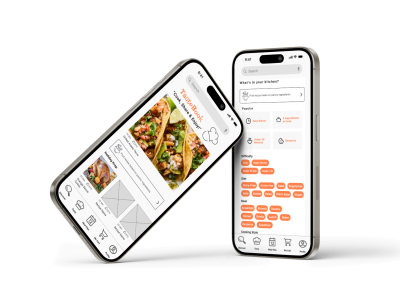
A digital cookbook app that helps users decide what to cook using ingredients they already have at home. It offers simple recipe instructions, flexible portion sizes, and dietary options to make everyday cooking easier, more affordable, and more enjoyable.
Design Process
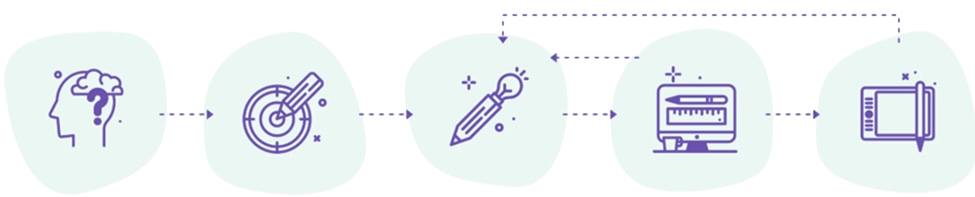
The design process explores creative solutions based on user needs and pain points identified during research. Its purpose is to create a simple, flexible, and easy-to-use user experience.
Discover
User Interviews
Surveys
Empathy Map
Competitive Analysis
Define
Journey Map
Personas
“How might we”
Ideate
User Flow
Card Sorting
Crazy 8’s
Design
Wireframes
Visual Design
Test
Usability Testing
Implementing Feedback
Discover Phase
It transformed research findings into actionable insights by uncovering the key challenges users experience when planning meals and cooking at home. These insights informed design decisions and helped shape a solution that is more accessible, flexible, and aligned with user needs.

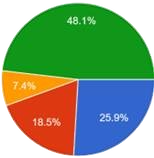
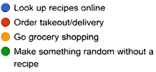
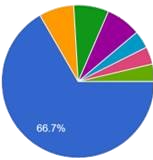
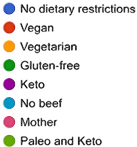
A survey was conducted to gather quantitative data about users' cooking habits, meal-planning behaviors, and challenges. The findings helped identify recurring patterns and validate assumptions about the problem space. The followed results were obtained:

Key Insights of the Survey

• Cook frequency
• Dietary preferences
• Inspirational recipes
• Find recipes of random left ingredients
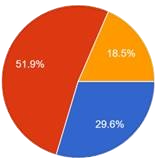
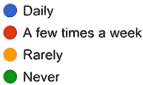
Cook at Home
Use of random left ingredients
Follow Specific Diet

User interviews were conducted to explore the motivations, frustrations, and behaviors behind meal planning and home cooking. The insights revealed opportunities to better support users in making cooking decisions and reducing food waste.

1. How often do you cook?
2. How do you usually decide what to cook?
3. Have you ever tried to find a recipe based on ingredients you already had at home

Key Insights of the interview needs

• Provide directions to cook
• Add simple & easy recipes
• Include meal planning features
• Understanduser’s needs
• Providea clean and intuitive interface
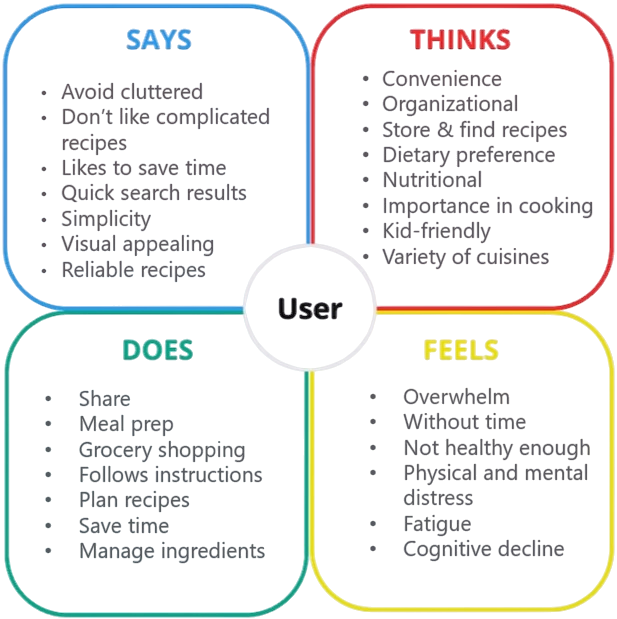
Empathy Map
It was created to better understand the user’s needs, emotions, and pain points throughout their cooking experience. These insights helped identify opportunities to improve usability and overall satisfaction.
Define Phase
The research insights were analyzed to uncover user pain points, clarify goals, and establish a focused problem statement that guided the design process.
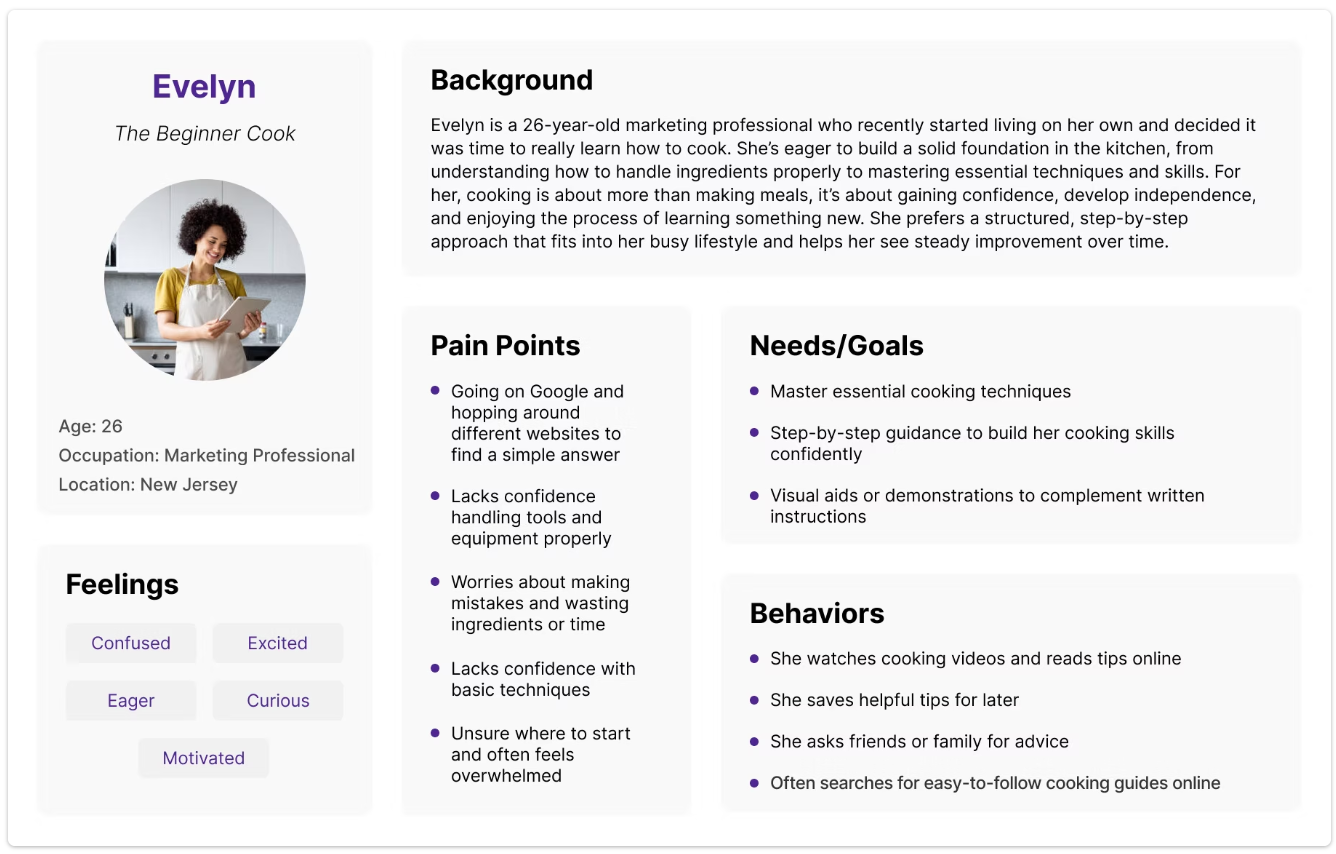
Persona
By creating a user persona, I gained insights into the actual users’ needs, goals, and frustrations. Through empathy, I can provide a more meaningful user experience. The objective is to find solutions to address the users’ needs and pain points, based on the user persona that has been created.

Based on the research findings, I translated key user needs and pain points into How Might We questions. These questions helped reframe challenges as opportunities and guided the ideation process toward meaningful design solutions.

1. How might we help users quickly discover recipes based on ingredients they already have at home?
2. How might we reduce food waste by encouraging users to make use of leftover ingredients?
3. How might we make meal planning easier for users with limited time and energy?
Ideate Phase
It focused on turning research findings into potential design solutions. This process encouraged creative thinking to develop a more intuitive and user-centered experience.
Card Sorting
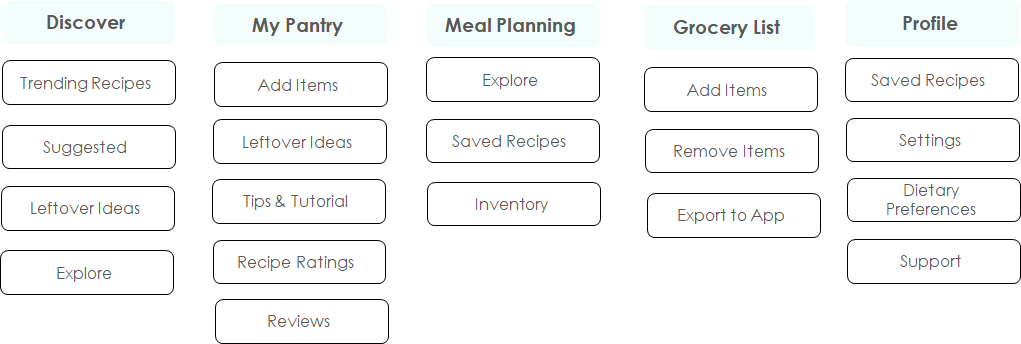
It was used to better understand how users organize and categorize information. The findings helped create a more user-friendly structure and improve the overall navigation experience.
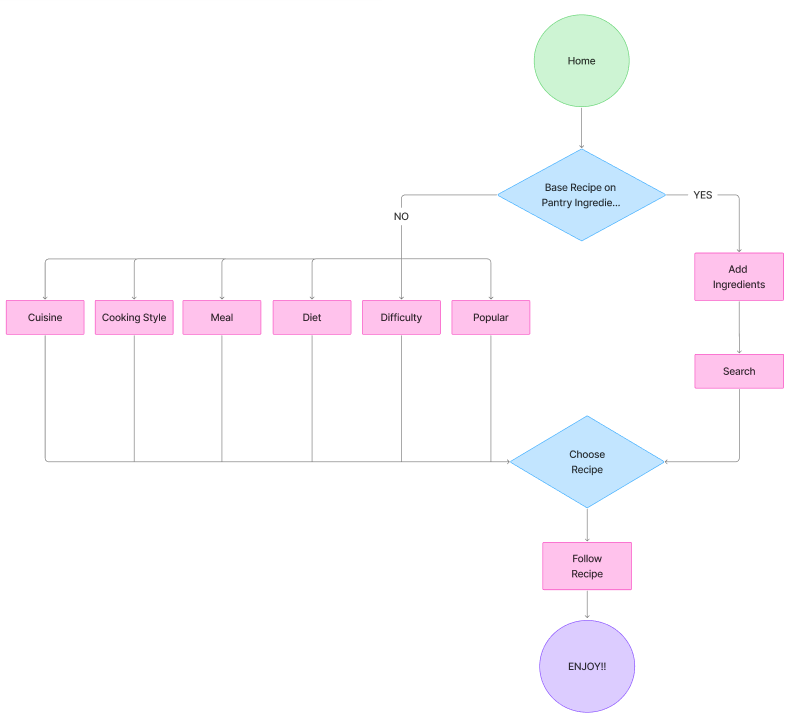
User Flow
It mapped the steps users take to complete tasks within the app. This process helped identify opportunities to simplify navigation, improve usability, and create a smoother user experience.
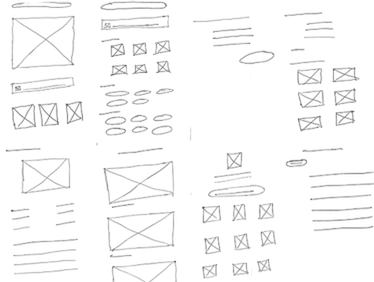
Crazy8's
An ideation technique used early in the design process to quickly explore multiple ideas, moving beyond the first solution before refining the strongest ones.
Design Phase
Design is a problem-solving process that combines understanding users’ needs with creating thoughtful and functional experiences that are useful, clear, and enjoyable for people.
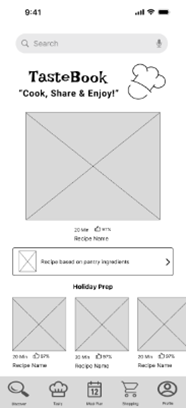
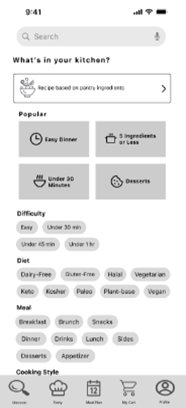
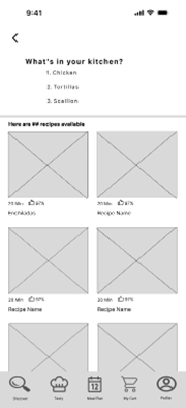
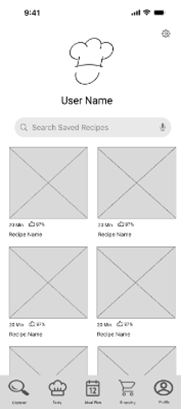
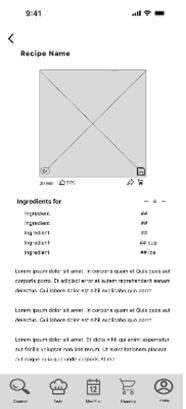
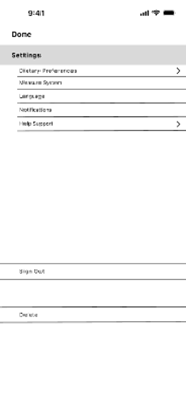
Mid-Fidelity Wireframe
It shows layout and content structure with more detail, but without final visuals or styling.
Testing Phase
The test phase involves observing real users interacting with a product to uncover problems, validate design decisions, and refine the solution.
Usability Testing
After completing the visual design, the prototype was tested with three potential users to gather feedback, identify usability issues, and evaluate how easily users navigated the application. The following suggestions were gathered:

• Keepthe color of recipes information dark making it accessible to read
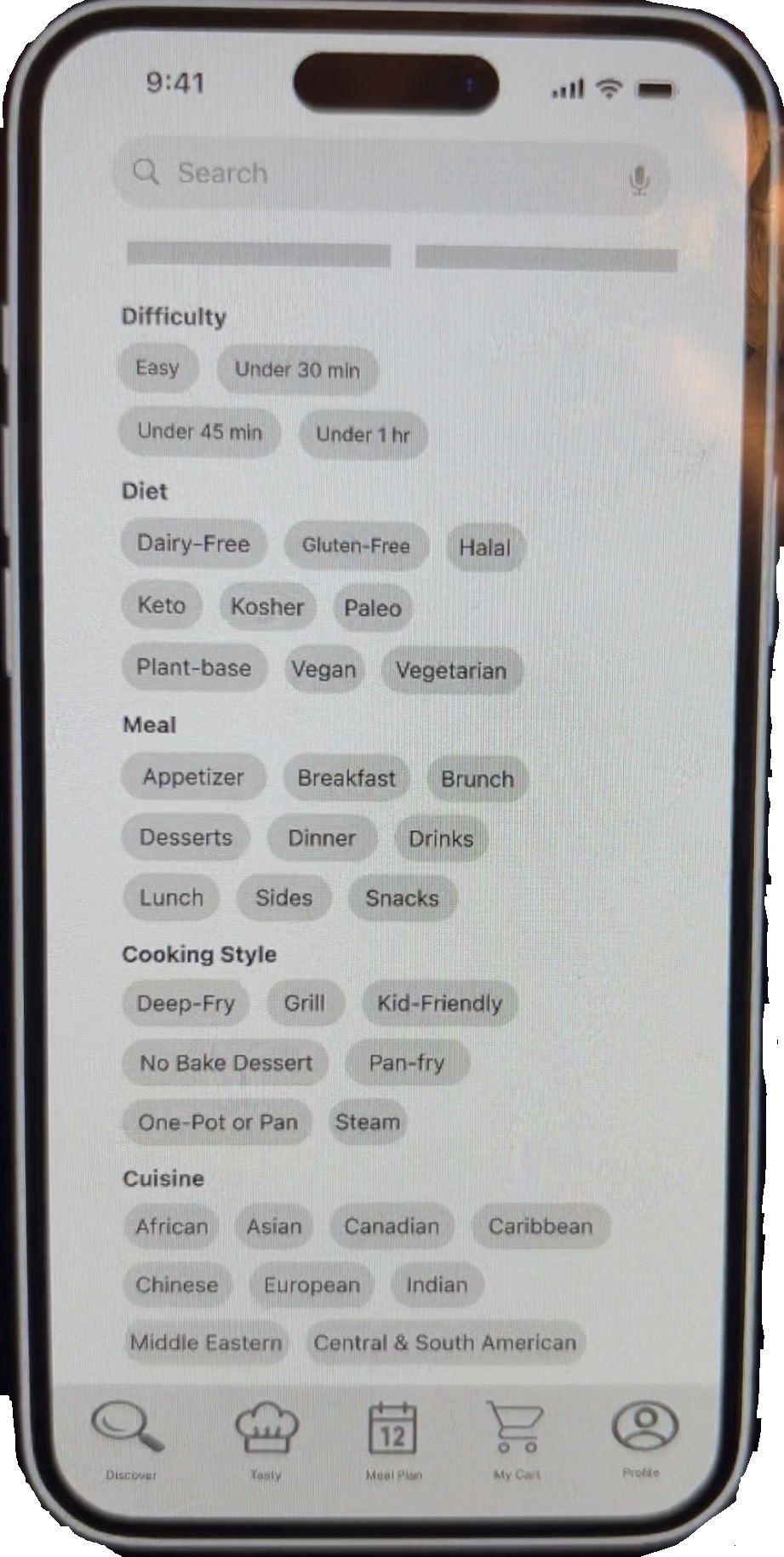
• Adjust Search frame since it looks clutter
• Add information to Meal Plan and Shop frames
Implementing Feedback
Implementing feedback after analyzing input from usability testing and stakeholders, then applying it to improve the design and user experience.
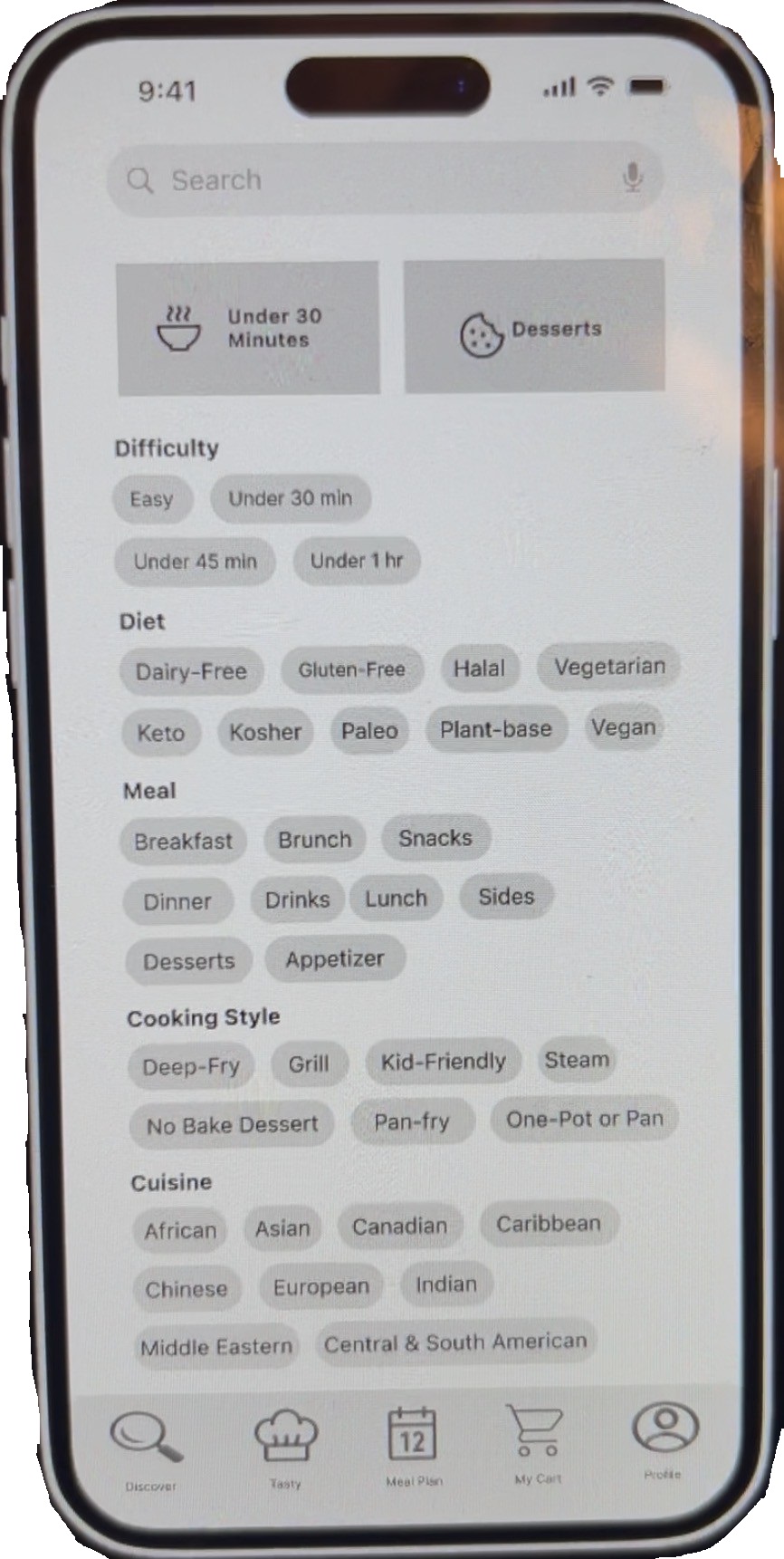
Changed to
Option Lines were removed to avoid clotted framespace
Final Product
Conclusion
Main insights: Based off competitive analysis and other types of research, most applications relate to recipes, lacking the space for users to learn about the cooking basics. It was very insightful to see how many beginner cooks feel unprepared and rely on others to feel comfortable in learning.

What I've learned from this project
: I've enjoyed learning about the participants behaviors and habits when it comes to cooking. Learning their styles of learning combined with their pain points with basic kitchen fundamentals helped me come up with a product that caters to their needs. Paying close attention to the beginning phase of research will make the user experience far better.
ML | mlujan.studio@gmail.com | © 2026